
מתכונית - מתכונים מבלוגים
Chewed CarrotFood & Drink
0.00.00 Reviews
- Version
- 1.9.4
- Installs
- 10.00K
- Age Rating
- Everyone
Screenshots

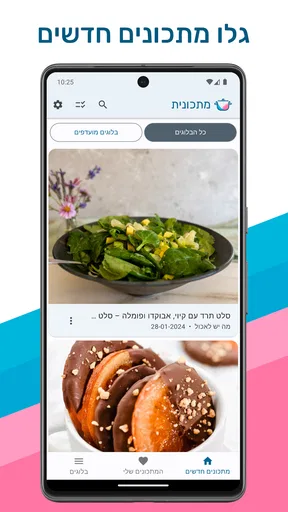

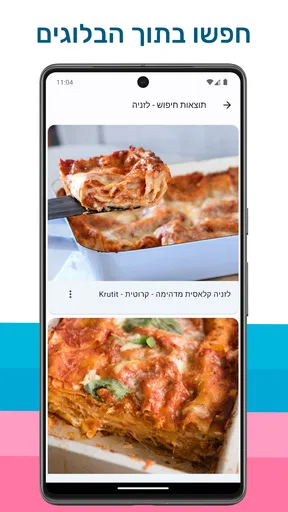
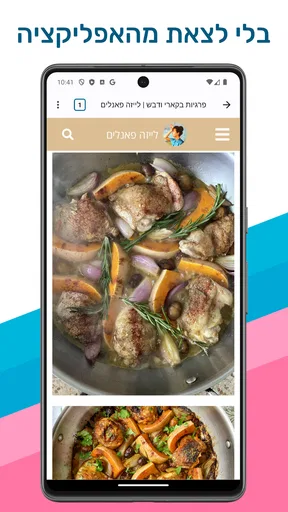

Our Review of מתכונית - מתכונים מבלוגים
 Analysis by Appyee
When I first opened מתכונית, I understood its appeal almost immediately: it is built around bringing recipes from favorite food blogs into one place. That sounds simple, but it solves a very familiar problem. I often discover a recipe in one tab, save another in a message, and then forget where I saw the idea for dinner. This app gives that scattered habit a more focused home.
מתכונית is a free Food & Drink app from Chewed Carrot, aimed at people who enjoy cooking from blog recipes rather than relying only on a fixed cookbook. Its store summary is in Hebrew, and the app’s short description is also the brief Hebrew name “מתכונית,” so the experience is especially relevant to Hebrew-speaking users who follow local or familiar food blogs. It is available for Everyone and supports devices running iOS 11 or later. The current version is 1.9.4.
My first impression was not that this is a replacement for every recipe service. It is more useful to think of it as a practical organizer and discovery point for blog-based cooking. That distinction matters. If you want a giant database with standardized nutrition panels, automatic shopping lists, or professionally tested recipes presented in a uniform format, another kind of cooking app may suit you better. If your recipes already come from blogs, however, מתכונית has a much more natural starting point.
What to expect before you start cooking
The main strength here is the connection between familiar recipe sources and everyday cooking. Blog recipes often have personality: a writer explains why a technique works, suggests substitutions, or adds a photograph that makes the dish feel achievable. The downside is that blogs can be awkward to use as a personal recipe collection. Pages may be surrounded by long introductions, other articles, advertising, or unrelated suggestions. Moving between several favorite sites can also make meal planning feel more like browsing than cooking.
מתכונית brings those sources into a single food-focused environment. I found that most useful when I already had a rough idea of what I wanted to make but did not want to search the entire web again. Instead of treating every recipe as an isolated page, I could approach the app as a starting point for a personal rotation: familiar dishes, seasonal ideas, and recipes from writers whose style I already trust.
That approach also reveals an important trade-off. The app’s value depends on the quality and variety of the blogs it brings together. It is not the same as having a chef, dietitian, or editorial team check every recipe for you. Ingredient amounts, terminology, preparation times, and difficulty can vary from one blog to another. I recommend reading the recipe carefully before beginning, especially if you are cooking for allergies, young children, or guests with dietary restrictions.
For a first-time user, the best expectation is modest and useful: install it, look through the available recipe sources, choose one dish that matches ingredients you already have, and use that small success to decide whether the app deserves a regular place in your cooking routine. You do not need to build a perfect collection on the first day.
The kind of cook who will get the most from it
I would recommend מתכונית to someone who saves recipes from blogs, enjoys discovering home-style dishes, or wants a more organized way to return to recipes they have seen before. It can also suit a busy household where different people send food ideas through messages and the original source is easy to lose. A single place for those discoveries is more useful than a long, unsearchable conversation thread.
It is less convincing for someone who rarely cooks from online sources. If you prefer printed cookbooks, fixed meal plans, or a tightly controlled recipe database, the blog-centered approach may feel less direct. It may also frustrate cooks who expect every recipe to use the same layout and the same level of detail. The app gathers content, but the original blog remains part of the experience, so some inconsistency is unavoidable.
Another point worth understanding is that “all in one place” does not mean every possible recipe is transformed into a completely new format. The app’s purpose is to make favorite blog recipes easier to reach, not to erase the character or structure of the original sources. I see that as a benefit when I want context, but it means I still need to pay attention to the page and not assume that every recipe behaves like a standardized cookbook card.
My first setup and the quickest route to value
After installation, I would begin with a short, deliberate setup rather than trying to explore everything at once. First, decide what you actually want from the app: discovering new recipes, keeping track of blogs you already follow, or making frequently used dishes easier to find. That answer should guide what you browse first.
Next, look for sources that match the way you cook. If you usually prepare quick weekday meals, start there instead of collecting elaborate baking projects. If you cook mainly vegetarian food, focus your early browsing on recipes that fit that habit. This sounds obvious, but it prevents a common mistake: filling a new cooking app with attractive recipes that do not match your real kitchen routine.
I also suggest choosing one “test recipe” with ingredients you recognize and equipment you already own. A recipe that requires a special pan, an unfamiliar technique, or a long shopping trip is a poor first trial. The first meaningful success should test whether the app helps you move from discovery to preparation, not whether you can complete a complicated culinary challenge.
Before you shop, read the complete recipe once. Look for ingredients that are easy to overlook, such as garnishes, resting time, chilling time, or items used in separate stages. Blog recipes can be conversational, and a quick scan may miss an instruction that appears later than expected. I make a short ingredient check before leaving the kitchen; it is faster than discovering halfway through that the dish needs something I did not buy.
Turning the first recipe into a successful meal
A realistic first use might look like this: it is late afternoon, you need dinner, and you have a few basic ingredients at home. You open מתכונית, browse a familiar blog source, and choose a recipe that uses what is already available. Rather than saving five possibilities, select one and read it from beginning to end. Then prepare the ingredients in the order the recipe needs them.
This workflow is more important than simply browsing. Many recipe apps are excellent at producing ideas but less helpful when the user has to decide what to do next. With מתכונית, I get the most value when I treat browsing as a short decision stage. Once I find a realistic recipe, I stop scrolling and move into preparation. That keeps the app from becoming another source of procrastination.
One useful habit is to separate “interesting” from “cookable.” An interesting recipe might contain an unusual ingredient or a technique I want to try someday. A cookable recipe fits tonight’s time, equipment, appetite, and shopping situation. I would use the app to collect both kinds of ideas, but I would choose the second kind for a first meal.
Pay attention to the original writer’s notes instead of jumping straight to the ingredient list. A blog author may explain whether a mixture should look thick or loose, how to recognize doneness, or what can be prepared in advance. Those details are often more valuable than a generic timer because they help you adapt when your oven, pan, or ingredients behave differently.
For a beginner, the first success is not only eating the finished dish. It is learning whether the app makes the path from recipe discovery to cooking feel easier. If you can find a suitable dish, understand its instructions, gather what you need, and return to the recipe without losing your place, then the app is doing its central job well.
Where new users may become confused
The biggest possible confusion is assuming that every recipe has been rewritten into one consistent format. Blog content often differs in tone and structure, so one recipe may be very detailed while another expects more cooking experience. I would not judge the whole app by a single recipe page. Instead, compare several sources and notice which ones explain techniques in a way that works for you.
Another common issue is mixing up discovery with storage. Finding a recipe does not automatically mean you will remember why you wanted it. I recommend adding a personal reason whenever you keep a dish in your regular rotation: “good for a quick lunch,” “uses pantry ingredients,” or “make this for guests.” Even a brief note in your own system can make the collection more useful than a pile of attractive images.
Users may also wonder whether they should browse by ingredient, meal type, or blog source. My advice is to switch methods depending on the situation. Browse by source when you want a familiar writing style. Browse by meal idea when you need inspiration. Start from ingredients when you are trying to avoid a supermarket trip. The app becomes more practical when you treat these as different cooking problems rather than expecting one browsing route to solve everything.
There is also a financial detail to keep in mind. The app itself is free, while in-app purchases range from forty-nine cents to five dollars and ninety-nine cents per item. I would explore the basic experience before spending anything. If a paid item appears, consider whether it solves a real problem in your cooking routine or merely adds another collection to browse. A small purchase can be worthwhile when it saves repeated searching, but it should not be necessary to understand whether the app’s central idea works for you.
The age rating is Everyone, which makes the app broadly approachable for households. That does not remove the need for adult judgment in the kitchen. Recipe instructions can still involve hot surfaces, sharp tools, raw ingredients, or food-allergy concerns. I would treat the rating as an indication of general accessibility, not as a substitute for supervision or safe food handling.
Three habits that make the app more useful
My first practical tip is to create a “repeatable weeknight” group in your own mental system. Do not judge recipes only by taste. A dish that is easy to understand, uses familiar ingredients, and produces manageable leftovers may be more valuable than a more impressive recipe that takes all evening. Blog collections are especially good for this because you can discover a writer whose everyday cooking style matches your own.
Second, use the app before shopping, not after. Open it while you still have time to compare a few recipes and check what you already own. This changes the app from passive inspiration into a planning tool. I find that choosing the recipe before entering the supermarket reduces impulse purchases and makes it easier to notice missing ingredients.
Third, revisit recipes after cooking and evaluate the instructions, not only the result. Was the preparation order clear? Did the timing fit your evening? Did the recipe assume equipment you do not have? This creates a personal filter over time. A recipe can be delicious but still unsuitable for your routine, while a simple recipe may become a dependable favorite because it is easy to repeat.
A fourth, less obvious habit is to keep alternatives in mind when an ingredient is unavailable. Blog writers sometimes offer substitutions, but not always. Before replacing something, consider its role: is it adding moisture, structure, acidity, sweetness, or flavor? That question is more reliable than swapping ingredients casually. The app can help you find the recipe, but your own judgment still matters once you are at the counter.
How it compares with familiar alternatives
Compared with searching through a browser, מתכונית feels more focused because it starts from food blogs rather than the entire internet. A normal web search is better when you have a very specific question, such as how to rescue a sauce or replace a particular ingredient. The app is better when you want to browse within a cooking-oriented space and return to sources you already enjoy.
Compared with social media, it offers a less distracting route to recipes. Social platforms are excellent for visual discovery, but they can encourage endless scrolling and make the original instructions harder to find. מתכונית is more suitable when you have already decided that you want a recipe rather than a stream of food content. The trade-off is that social media may expose you to a wider range of creators and faster trends.
Compared with a traditional digital cookbook, the app has more variety in voice and source, but less uniformity. A cookbook usually gives you a consistent editorial standard and predictable formatting. Here, the reward is access to the character of blog cooking. I prefer מתכונית when I want ideas from writers I recognize; I prefer a structured cookbook when I need a dependable reference for technique or exact progression.
Compared with a note-taking app, it is more naturally connected to recipe discovery. Notes are flexible and excellent for recording family changes, personal substitutions, or handwritten-style reminders. They are also easy to fill with links that later become difficult to manage. מתכונית makes more sense as the place where I find and revisit blog recipes, while a notes app can remain useful for my own adjustments.
Who should skip it, and who should stay with it
I would skip this app if your priority is strict meal automation. People who want a complete weekly schedule, detailed nutritional tracking, or an ingredient list calculated around a particular diet may find a dedicated planning service more suitable. The blog-based approach is about access and discovery, not about turning every cooking decision into a fully automated process.
I would also hesitate if you dislike reading through a writer’s explanation before cooking. Some people want only a compact recipe card. In that case, the original blog style may feel like extra material. On the other hand, if you enjoy learning the reasoning behind a dish, those explanations can be exactly what makes the recipe memorable.
For everyone else, I think the app deserves a fair trial built around one real meal. Do not install it merely to collect recipes. Choose a blog source, select something realistic, check the ingredients, cook it, and then decide whether returning to that source felt easier than your usual method. That test gives a much clearer answer than a long browsing session.
My verdict after using it as a cooking companion
מתכונית works because it addresses a small but persistent problem: recipes from blogs are enjoyable to discover but easy to lose. Chewed Carrot has shaped the app around bringing those sources together, and that makes it especially appealing to Hebrew-speaking home cooks who already have favorite blogs or want to explore them in a more organized way.
I like that the app encourages a source-based cooking habit rather than pretending every recipe needs to look identical. I also appreciate that it can fit different moments: planning dinner from ingredients already at home, revisiting a dish that worked before, or browsing for a new idea without opening a maze of unrelated pages. Its limitations are tied to the same design choice. Blog quality and formatting vary, and the app cannot replace careful reading or personal kitchen judgment.
The free entry point makes it easy to try without committing immediately, while optional in-app purchases are priced from forty-nine cents to five dollars and ninety-nine cents per item. With over ten thousand installs, it has found a real audience, but I would still judge it by how well it fits your own recipe habits rather than by popularity alone.
My recommendation is straightforward: if your cooking life already revolves around food blogs, install it and begin with one uncomplicated recipe. Give yourself a clear first goal—find, understand, and cook one dish. If that process feels calmer than searching through scattered bookmarks and messages, מתכונית can become a useful part of your weekly routine. If you need a rigid cookbook, automated meal planner, or nutrition-first tool, choose something designed for that purpose instead. For blog-based home cooking, its real strength is making discovery easier to turn into an actual meal.
Verdict
Strengths of מתכונית - מתכונים מבלוגים
- Collects recipes from multiple Israeli food blogs in one place.
- Useful search tools make it easier to find dishes by ingredients or category.
- Recipe pages are generally simple to browse while cooking.
- Offers fresh inspiration beyond the same familiar recipes.
- Convenient for discovering local cooking styles and Hebrew content.
Limitations of מתכונית - מתכונים מבלוגים
- Recipe quality and formatting can vary between different blog sources.
- Some recipes may depend on external websites for full instructions.
- Hebrew-only content may limit accessibility for non-Hebrew readers.
- Search results may include duplicate or very similar recipes.
- Availability of recipes can change if a linked blog removes its content.
Similar Picks in This Category
View All
Rappi: Food Delivery, Grocery
Rappi, Inc - Delivery3.5

McDonald’s: Cupons e Delivery
Arcos Dorados4.3

Swiggy: Food Instamart Dineout
Swiggy4.7

Blinkit: Groceries & more
Blinkit4.8

foodpanda: food & groceries
Foodpanda GmbH a subsidiary of Delivery Hero SE4.0

Zomato: Food Delivery & Dining
Zomato4.7
Frequently Asked Questions
What is מתכונית - מתכונים מבלוגים, and what can I do with it?
מתכונית - מתכונים מבלוגים is a recipe-focused app that brings cooking ideas from blogs into one convenient place. You can browse recipes, discover new meals, and use the collection for everyday cooking inspiration. It is especially useful for users who enjoy finding recipes from different food bloggers without having to visit each blog separately.
Is מתכונית - מתכונים מבלוגים suitable for beginners?
Yes, the app can be useful for beginners as well as more experienced home cooks. Recipes generally provide an ingredient list and preparation instructions, allowing users to choose dishes that match their skill level. However, the clarity and detail may vary between blog sources, so beginners should read the complete recipe before starting and check cooking times, measurements, and required equipment.
Does the app include recipes in Hebrew?
The app is designed around Hebrew-language recipe content from Israeli or Hebrew food blogs, making it convenient for users who prefer reading cooking instructions in Hebrew. The exact language and presentation can depend on the original blog or recipe source. Users should also expect differences in terminology, measurement styles, and formatting between recipes from different publishers.
Does מתכונית require an internet connection?
An internet connection is generally important because the app presents recipe content collected from online blogs and may need to load updated pages, images, or external recipe details. Some information might remain available temporarily after viewing it, but users should not assume that every recipe works offline. For reliable access, open or save the desired recipe before cooking.
Is מתכונית - מתכונים מבלוגים free to download and use?
The app may be available to download without an upfront charge, but availability, advertising, optional features, or other conditions can change depending on the Android or iOS version and the store listing. Before installing, review the current download page for pricing, in-app purchases, permissions, and privacy details. Also remember that linked recipe blogs may have their own terms or advertisements.
